Featured · TypeScript
TypeScript 7 Release
TypeScript 7 is generally available: a native Go compiler that is roughly 10× faster, with new defaults, a rebuilt watch mode, and a side-by-side path for tools still on the 6.0 API.
TypeScript 7 is generally available: a native Go compiler that is roughly 10× faster, with new defaults, a rebuilt watch mode, and a side-by-side path for tools still on the 6.0 API.
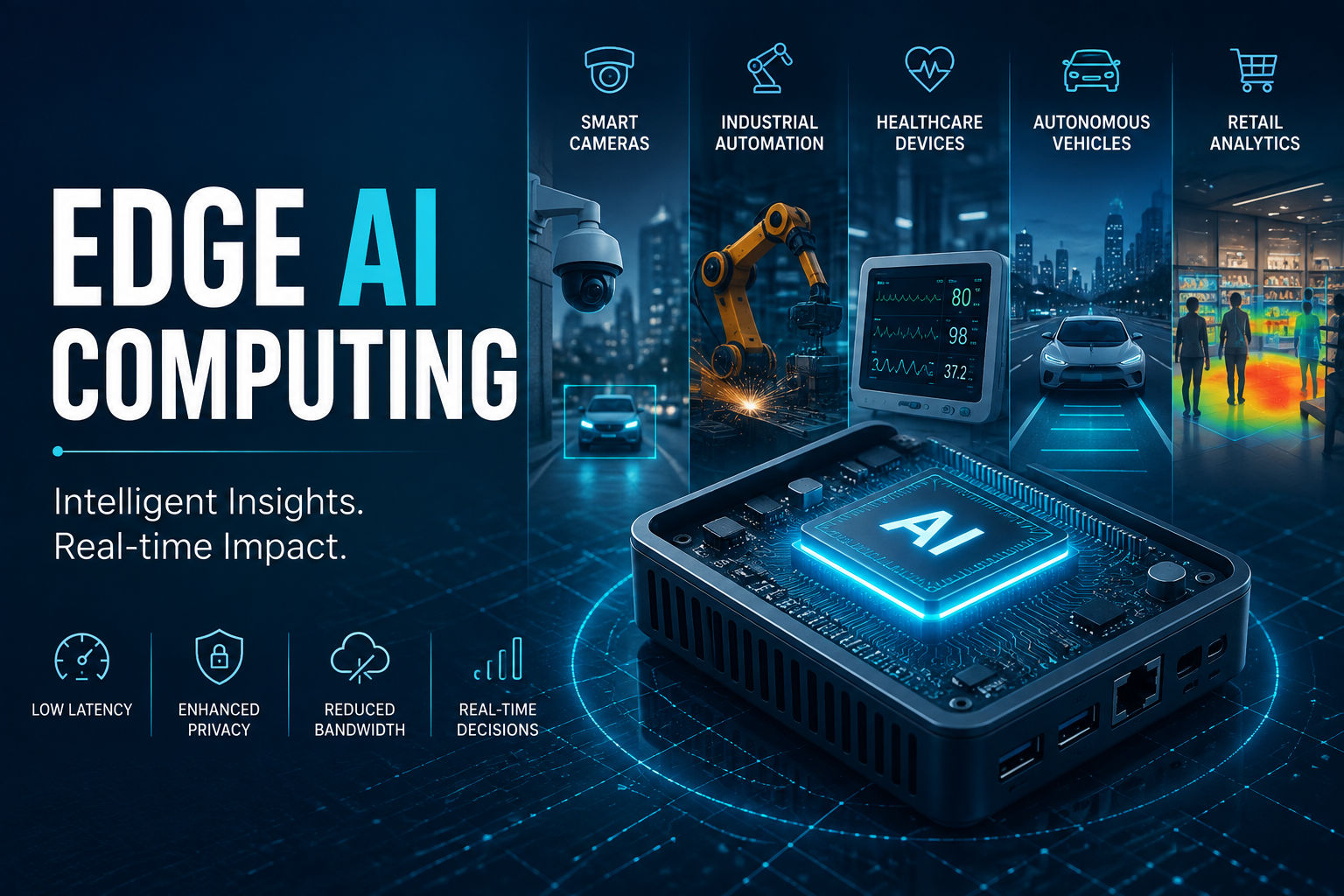
Edge AI Computing is a technology that allows AI to be run on the edge of the network, rather than in the cloud.
Practical techniques for speeding up large language model inference in production without sacrificing quality.
A beginner-friendly walkthrough of smart contract security and how to prepare your codebase for audit.
Lessons from shipping retrieval-augmented generation pipelines — chunking strategies, embedding choices, reranking, and evaluation.
A clear breakdown of Ethereum Layer 2 solutions — optimistic rollups, ZK rollups, and how they reduce fees while inheriting L1 security.
How to fine-tune open-weight models on a budget — data prep, LoRA vs full fine-tune, evaluation, and when not to fine-tune at all.
How stablecoins maintain their peg, the trade-offs between USDC, DAI, and USDT, and why stablecoin design matters for payments and DeFi.
How to use on-chain data for market research — wallet flows, DEX volume, whale tracking, and building your own queries with Dune and Flipside.
How to deploy object detection and classification models on cameras, drones, and embedded hardware using TensorFlow Lite, ONNX, and OpenVINO.
Impermanent loss, smart contract risk, token emissions, and rug pulls — what every DeFi participant should know before chasing high yields.
How NFTs evolved from profile pictures to utility-driven digital assets — ticketing, gaming assets, loyalty programs, and on-chain identity.
Hot wallets vs cold storage, seed phrase hygiene, phishing defense, and multi-sig setups for protecting your digital assets.
How blockchain games use NFTs for in-game assets, why most P2E models collapsed, and what sustainable game economy design looks like.
A curated list of dev tools that earn their place in your workflow — from AI assistants and terminal multiplexers to note-taking systems that survive context switches.
Async communication, documentation culture, code review norms, and timezone-aware workflows for remote engineering teams.
REST conventions, pagination strategies, versioning, error handling, and idempotency — practical patterns for building APIs that developers love.